After our article on illegal geysers, we’ve been asked how to tell if a geyser is possibly illegal. This is what you need to know.
All images © Plumbing Africa
First off, geysers that fall into the scope of SANS 151 need to comply with mandatory regulations such as VC9006 and tested for compliancy to the relevant requirements of the mandatory SANS 151 before an applicant can apply to NRCS (National Regulator of Compulsory Specifications (NRCS) for the all-important LOA (Letter of Authority).
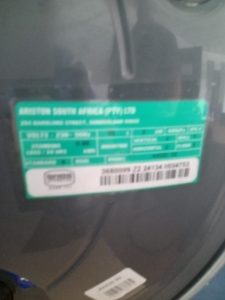
One of the requirements in SANS 151 refers to marking and instructions, stating that a water heater shall bear the following information in a legible and indelible marking. The geyser tag/information plate is found on a background colour appropriate to the working pressure of the water heater.
This information tag contains other required information such as the rated capacity of the water heater in litres , working pressure in kilopascals, whether the water heater is to be installed horizontally or vertically and whether it is suitable for wall or floor mounting, or both, whether the water heater is a standard water heater or a solar direct or a solar indirect water, relevant standing loss per 24 hours, in kilowatt-hours, the IPX rating .
Majority of the information tags also include information like manufactures name and contact details, serial number, and LOA numbers. Other additional labels that relate to energy efficiency and even installation diagrams can be found on the geyser.
If a geyser does not have the relevant markings, missing information tag/plate it may be that its illegal and further investigation is needed.


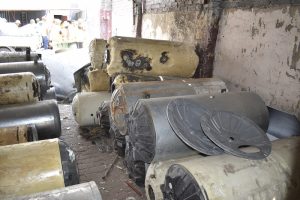
If it appears that the geyser has been modified or tampered with, you may be dealing with an illegal non complaint geyser, these geysers are sometimes referred to as recon geysers or refurbished geysers .
Safety should never be compromised. Ask and insist on the proof of a valid LOA . If it has no LOA or the person selling the geysers cannot provide evidence of such LOA issued by NRCS rather AVOID.
The dangers of illegal geysers are numerous to mention, and here are a few risks:
- Potential explosions due to compromised structural integrity
- Water leaks from weakened or poorly repaired shells
- Acid exposure, as many of the geysers are acid-washed during the refurbishment process
- Contaminated water caused by residual acid, affecting water quality and safety
- Increased risk of electric shocks
- Inadequate insulation, leading to higher energy consumption and inflated electricity bills for consumers
If you are aware of any illegal geysers on sale you can report them to IOPSA on their dedicated email recon@iopsa.org. or you can report anonymously directly to NRCS at https://www.thehotline.co.za/report/
Let’s get these illegal, hazardous geysers out of homes.