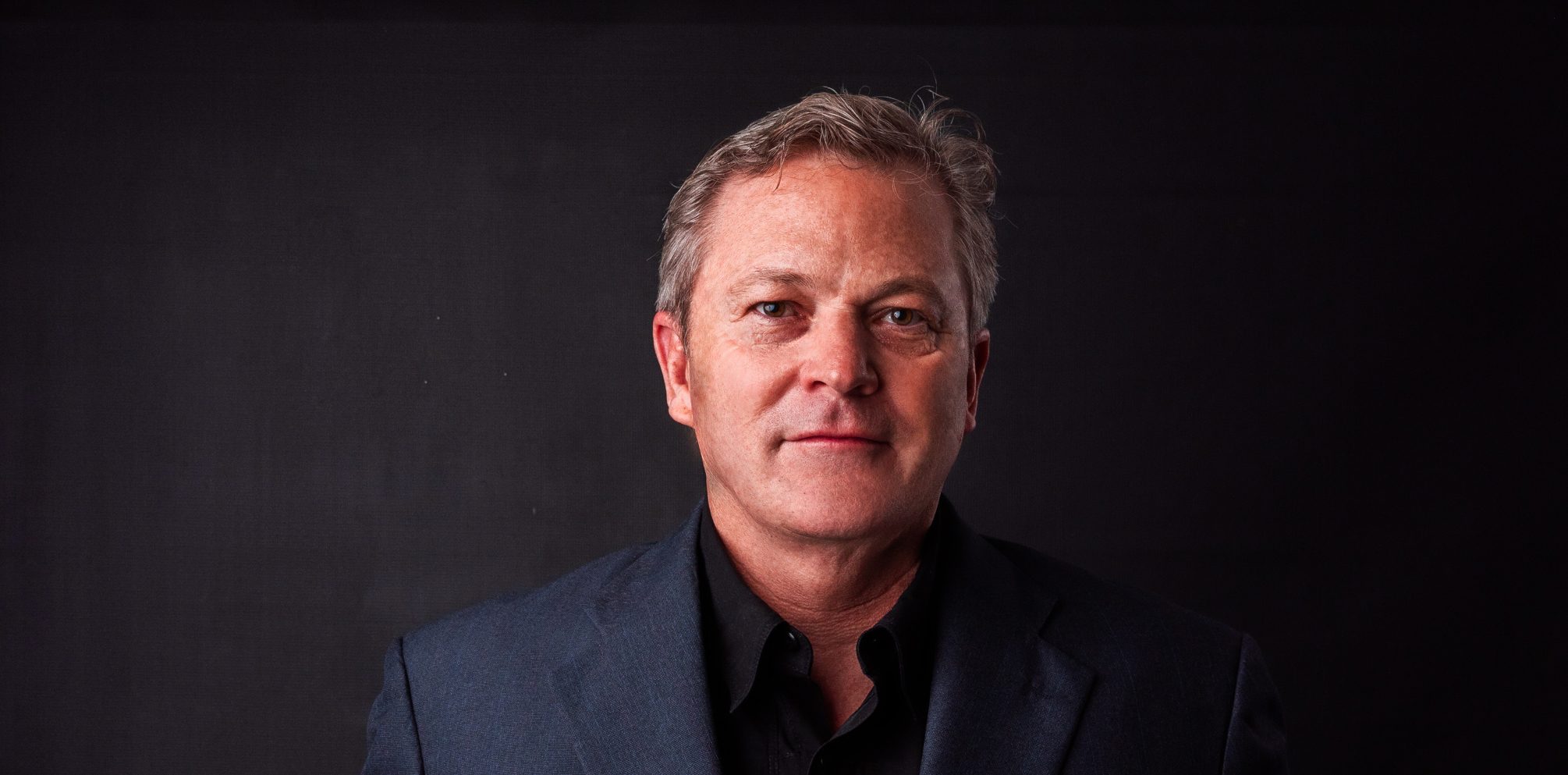
In this plumber profile, we interview and shine a spotlight on Tladi Tholo Gorden – a passionate student currently working towards obtaining his Red Seal and carrying out his practicals at Maluti-a-Phofung Local Municipality.

Tladi Tholo Gorden.
Supplied by Tladi Gorden
Please tell us a little about yourself and your current role in the plumbing industry.
My Name is Tladi Tholo Gorden, I am a dedicated and hardworking individual from Phuthadutjhaba and with strong passion for plumbing. I am currently working at Junior Plumbing, where I assist qualified plumbers with installations, maintenance and repairs of water systems, drainage and sanitation. I have hands-on experience with tools, pipe fitting, leak detection and following SANS 10252 and SANS 10254 safety standards. I am currently working towards my trade test qualification and am eager to grow into a fully qualified Red Seal Plumber. At the moment, I am busy with my practicals at Maluti-a-Phofung Local Municipality.
How did you first become involved in the plumbing industry?
I first become involved through helping my uncle who is a plumber. From a young age I used to go with him to sites around Phuthaditjhaba to carry tools and watch how he fixed leaks and installed pipes. I enjoyed working with my hands and seeing problems fixed on the same day we arrived at them. That hands-on experience made me decide to take plumbing seriously as a career and pursue formal training.
What has your journey in the industry been like so far?
It has been a journey of growth: I started as a general assistant carrying tools and learning the basics, and over time I learned to do installations, geyser connections, leak repairs and drainage. It hasn’t been easy – long hours, digging, working in tight spaces – but every job taught me something new. From being an assistant to being trusted to run small jobs alone, I have grown a lot in skill and confidence.
What do you enjoy most about working in plumbing?
I enjoy the problem-solving aspect of plumbing. For example, when a client calls with no water or a burst pipe and they are stressed, I come and find the fault, fix it, and leave them happy. That instant satisfaction is what I love. Also, no two days are the same – one day it’s a house, next day it’s a site. It has been a journey of constant growth and change.
What has been one of the biggest challenges you have faced in your career, and how did you overcome it?
One of my biggest challenges was a complex geyser and pipe burst job in a ceiling with very little space, which has left the client with no water for two days. It was difficult and I was under pressure. I overcame it by staying calm, asking for advice from my senior, double-checking my measurements, and working through the problem step-by-step, until it was fixed and tested with no leaks.
What achievement or moment in your career are you most proud of?
I am most proud of the first time I was left alone to complete a full bathroom installation – from piping to fitting the basin, toilet and shower – and it passed inspection with no leaks. The client was very happy and that moment showed me that I am capable.
How has the plumbing industry changed since you first became involved?
A lot has changed. There is more focus on water savings, such as low-flow systems, solar geysers and heat pumps because of water restrictions in South Africa. Safety and SANS compliance is stricter now, and clients are more informed. Technology like press-fit tools and better leak detection tools has also made work faster.
What do you believe are some of the biggest challenges currently facing the plumbing industry?
In South Africa, I think it’s:
1) Unqualified people doing plumbing work;
2) The high cost of materials like copper and quality fittings;
3) Water scarcity and ageing municipal infrastructure that puts pressure on us; and
4) A lack of young people being trained properly.
What opportunities do you see for the future of plumbing in South Africa?
I see huge opportunities for the future of plumbing in South Africa. With water scarcity, there is a demand for rainwater harvesting, greywater systems and solar geysers. Government RDP and housing projects always need plumbers. Maintenance work never ends — burst pipes, blocked drains, geysers. A qualified Red Seal plumber can always work or start his own business.
| Tladi’s advice to anyone looking at plumbing as a career:
Don’t think plumbing is just dirty work – it’s a skilled, respected trade that pays well if you are qualified. Start as an apprentice, respect your seniors, be willing to learn and get dirty, get your theory right at TVET and work towards your trade test. Also, punctuality and honesty will take you far. |
What is one thing you wish more people understood about the plumbing industry?
I wish people understood that plumbing is not just unblocking a drain. It is about health and safety. Bad plumbing causes diseases, wastes thousands of litres of water, and can damage a whole house. It takes skill, planning and compliance – not just a spanner.
What keeps you motivated and passionate about the work you do?
What keeps me motivated is providing an essential service. Every family needs clean water and working sanitation. Knowing that my hands make that possible and seeing happy clients keeps me going. Also, I hope to have my own plumbing company and employ others in the future.
Who or what has had the biggest influence on your career?
My biggest influence has been my lecturer, Mr Candy Ntabeni, who taught me to take my time and do the work properly even when no one is watching, and to take pride in my work.
What are your hopes or goals for your future in plumbing?
My short-term goal is to complete my Trade Test and become a fully qualified Red Seal plumber. Long-term, I want to start my own compliant plumbing business, train young people from my community, and specialise in water-efficient and solar solutions.