World Water Day, held on 22 March every year since 1993, is an annual United Nations Observance focusing on the importance of fresh water. This year, the theme of World Water day is ‘Where water flows, equality grows’.
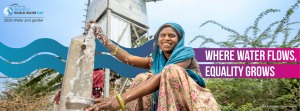
Supplied by UNICEF | Vinay Panjwani
World Water Day celebrates water and raises awareness of the 2.1 billion people living without access to safe water. It is about taking action to tackle the global water crisis. A core focus of World Water Day is to support the achievement of Sustainable Development Goal 6: water and sanitation for all by 2030.
The global water crisis affects everyone – but not equally.
Where people lack safe drinking water and sanitation close to home, inequalities flourish, with women and girls bearing the brunt.
- They collect water.
- They manage water.
- They care for people made sick by unsafe water.
- They lose time, health, safety and opportunities.
And too often, the systems that govern water leave women and girls out of decision-making, leadership, funding and representation.
This makes the water crisis a women’s crisis.
We need a transformative, rights-based approach to solving these challenges, where women’s voices are heard and their agency recognised.
All women must be equitably represented at all levels of water leadership – helping design every pipe and policy. And women must drive change in water as engineers, farmers, scientists, sanitation workers and community leaders.
As we face growing risks, from a changing climate and water-related disasters to financing shortfalls, from social norms to governance gaps, we need everybody to play their full part: managing water as a common good and building resilience for the future.
This includes engaging men and boys as allies in promoting safe water, sanitation and hygiene for all, and in challenging the norms and behaviours that hold women and girls back.
Only then can safe water services meet everyone’s needs – empowering women and girls to lead healthier, more fulfilled lives – and making water a force for sustainable development and gender equality that benefits us all.
On World Water Day 2026, let’s explore the critical relationship between water, women, and gender equality.
Key messages for World Water Day 2026
- The global water crisis affects everyone – but not equally. Where people lack the human rights to safe drinking water and sanitation, inequalities flourish, with women and girls bearing the brunt. It’s time to centre women and girls in water solutions.
- Women must shape the future of water. Water services must withstand climate change and meet everyone’s needs. We need a transformative, rights-based approach to solving the water crisis, where women’s voices, leadership and agency are fully recognized.
- Where water flows, equality grows. When women and girls have equal voice in water decisions, services become more inclusive, sustainable and effective. We must invest in women’s leadership to make water a force for a healthier, more prosperous, gender-equal future that will benefit us all.
Did you know?
|
How you can participate
Learn more, share content and take action here.
To explore the themes of previous World Water Day campaigns, please visit this page.
Access the campaign resources in the dedicated Trello board.
Source: Sourced from United Nations Water