Electrolux South Africa is one step closer to being completely non-reliant on the Eskom grid after installing its first Corporate Solar PV system at its Kwikot Western Cape branch.
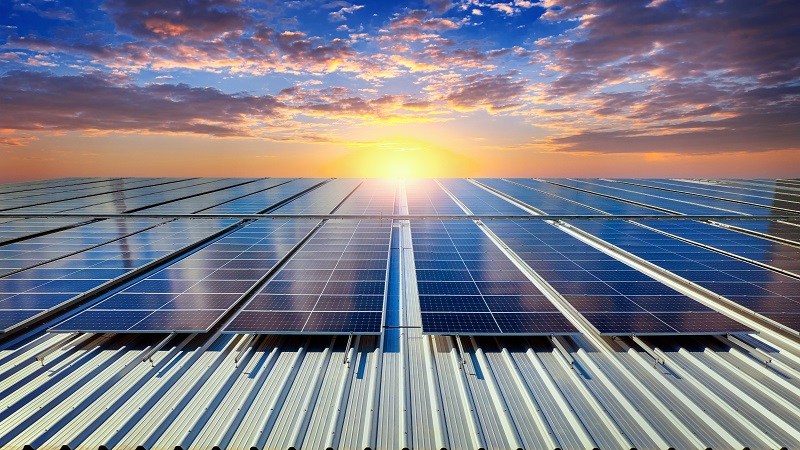
Tawatchai07 | Freepik.com
“This solar installation is part of Electrolux’s sustainability mission in which it is utilising renewable and green energy as far as possible,” says Electrolux SA IT head, Johan Van Pletzen. Van Pletzen is heading the UV solar panel project that will roll out to three more Kwikot branches – Benoni, Durban and in the Eastern Cape – over the next few months.
Electrolux invested R16-million with the introduction of renewable energy at their industrial site in Benoni, opting for a variety of solar panel installations.
“The branches will be run on solar power as part of our strategy to move away from fossil fuels, be more self-sustaining and keep Mother Earth breathing,” says Murray Crow, Electrolux Managing Director (MD) for South Africa.
The company found that loadshedding shaved off about 4.5 hours of productive work every day. This prompted the company to make the switch to solar and implement a green strategy.
“Loadshedding and the inability to work during blackouts have really put a damper on staff morale, and hits productivity. With the solar panels in place, the team can do the hours without interruption,” says Crow.
The second-largest branch in the Western Cape became the next logical place to implement the change to solar.
“The project saw us put up 72 solar panels from our own stock, 3x 16kVA inverters and 60kVA in batteries.
“We went live on December 13 last year, and while we are still collating data, we believe we have saved tons of carbon, reducing our footprint significantly,” says Crow. By increasing solar panels from 26 to 72, the company gets to take advantage of the summer sun in the Mother City. “If the solar system doesn’t work because of the rain, the system automatically switches to the battery system, and will finally go over to the Eskom system if the battery is drained,” he says.
Load balancing, however, can be a challenge. “We have a three-phase power system, and one phase sometimes utilises more than the other phases, however, we are working to balance this out,” says Crow.
Crow continues: “Ultimately you do need the money to initially do the installation before you can get the tax break, which is why some companies just can’t afford solar installations. This entire solar installation at our branches is about us putting our money where our mouth is. We have a green spirit – we want to move forward and make a difference.”
Source: Electrolux