South Africa has just handed over its B20 Task Force recommendations to the G20 – a first for an Africa-led Presidency. At the centre of the discussions is: how to accelerate the global energy transition while addressing the realities of South Africa’s ongoing power crisis.
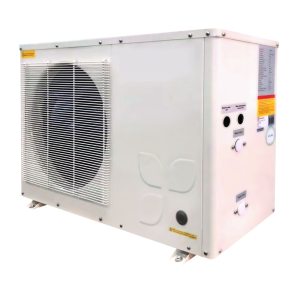
A Kwikot heatpump. Supplied by Kwikot
The recommendations call for bold steps to cut demand, modernise infrastructure and ensure that the just transition reaches households as much as heavy industry. With geysers alone consuming up to 60% of a home’s monthly electricity, the domestic picture is critical to solving the national one.
At the same time, consumers are facing relentless cost pressures at home. Costly errors such as the R54-billion miscalculation by Nersa in Eskom’s tariff application now mean electricity prices will rise above inflation for two consecutive years. With hikes of 8.76% in 2026–27 and 8.83% in 2027, the trajectory is clear: tariffs will continue to escalate.
We cannot afford a passive, “it is what it is” mindset. South Africans must take back control by becoming more self-sufficient and reducing reliance on the grid. This not only helps ease pressure on the national system but also provides households with greater stability and long-term savings.
Kwikot, South Africa’s century-old water-heating brand and a Silver Sponsor of B20 South Africa 2025, is at the forefront of this conversation. Its energy-efficient, renewable-ready solutions formed part of the B20 Task Force’s push to show how everyday households can drive – and benefit from – a cleaner, more inclusive energy future.
Source: Supplied by Kwikot