By Megan O’Connor, with technical input from Phinias Moimane, Evemohlo Trading and Projects
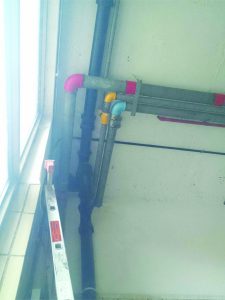
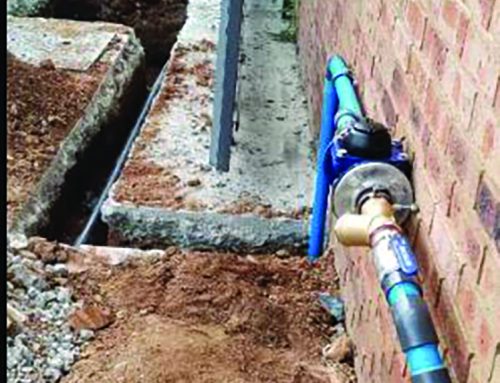
The old pipes were removed from the joints with large spanners,
once they had been cut. Supplied by Evemohlo Trading and Projects
What happens at a museum when a pipe leaks? This article will delve into the replacement of the pipe, which took ten days and required that the water to the building be closed.
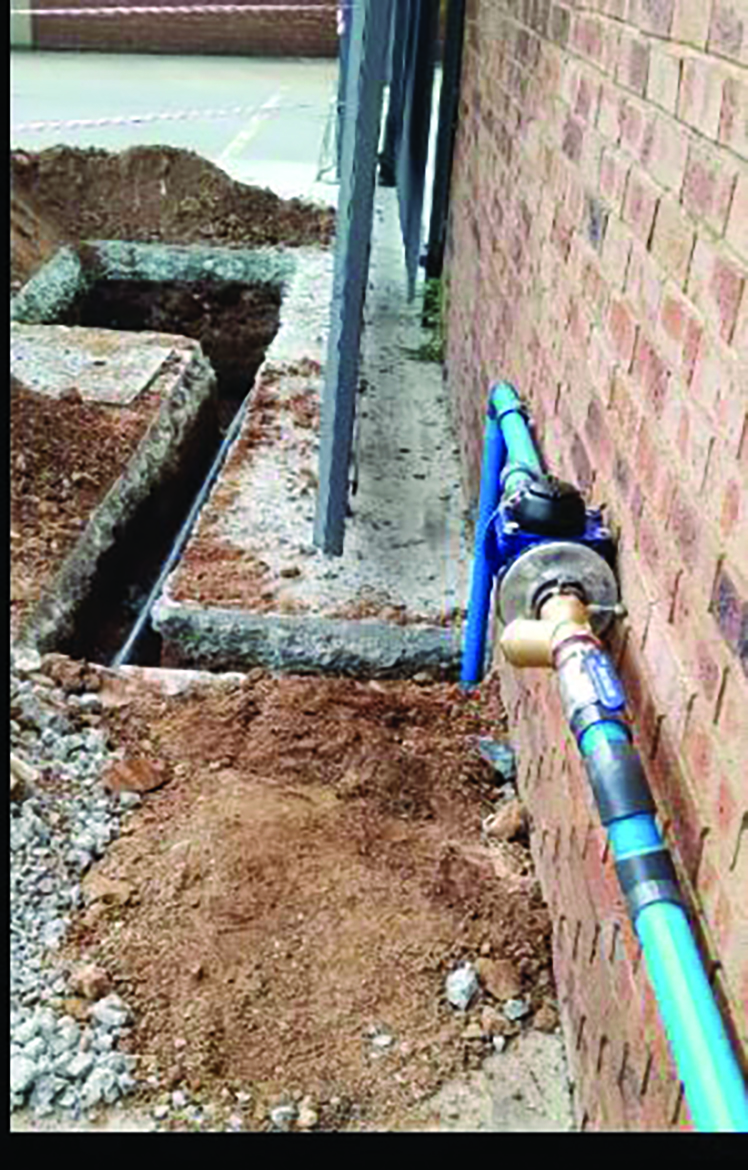
When a museum in Pretoria CBD had a leaking pipe, Evemohlo Trading and Projects were contacted to resolve the issue. They wanted the old, leaking galvanised pipe to be replaced with a new one. With the leaking water filling the storerooms and damaging items stored in them, the replacement needed to be done with the utmost urgency.
When asked why they believed the pipe was leaking in the first place, Evemohlo stated that they believed it was due to the pipe having too many clamps on it.
The process – from start to finish
Overall, the project lasted ten days during which the installation consisted of:
• Before any work could be done, the water supply to the building was switched off
• Using scaffolding and large grinders, the old pipes were cut
• Once cut, the old pipes were unscrewed from the joint using large spanners and removed
• The new pipes were then fitted
The old pipes were removed from the joints with large spanners, once they had been cut.
The challenge of the project
Phinias Moimane recounts the biggest challenge as being the surrounding environment of the work space. “We were working at heights and the space was a bit small, so to cut and remove the old pipe and install the new pipe was a challenge that we faced.”