By Dickrose Masalamani, President of Singapore Plumbing Society, executive director of JD Waters Pte Ltd
In this article, we dive into Singapore’s success in delivering safe, high-quality potable water, which is the result of an integrated system that combines advanced treatment, regulated plumbing materials, and strong environmental controls.
Supplied by the world plumbing council
Over time, Singapore’s water infrastructure has evolved significantly – particularly in the materials used for water mains and distribution systems – reflecting growing emphasis on durability, corrosion control and water quality preservation.
1. Water quality assurance
Singapore’s drinking water meets the Environmental Public Health (Water Suitable for Drinking) Regulations and is aligned with the World Health Organisation (WHO) Guidelines for Drinking-Water Quality. The Public Utilities Board (PUB) manages water quality from source to tap, with extensive testing conducted across physical, chemical and microbiological parameters.
Today, Singaporeans can drink water directly from the tap with complete confidence, without the need for additional filtration or boiling – a clear testament to the nation’s rigorous water quality standards and robust plumbing infrastructure. Overall, Singapore’s system ensures consistently high-water quality and strong public confidence.
2. Evolution of pipe materials
Historically used materials
Singapore historically used a range of ferrous and cement-based materials, including galvanised steel, mild steel (unlined), and asbestos cement (AC) pipes. While structurally sound, these materials were more susceptible to internal corrosion, surface degradation, and water discolouration over long service periods.
Improved materials for mains and distribution
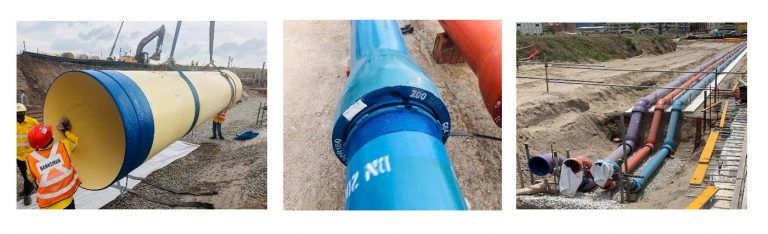
Mild steel cement-lined pipes are used for large transmission mains, providing corrosion protection and preserving water quality. Ductile iron pipes are preferred for smaller distribution mains, offering durability, flexibility and corrosion resistance. This material selection reflects engineering strategies based on size, pressure requirements, and long-term performance.
Current standards
Modern potable water installations no longer use galvanised iron. Singapore now prioritises corrosion-resistant, non-reactive materials, reducing metal leaching and preserving water grade throughout the system, aligning with global best practices. Over the 60 years of its independence, Singapore has significantly improved its water quality to meet the needs of the nation. I would like to share the journey with countries that have yet to implement the similar measures. While Singapore’s small size has made system-wide changes easier to execute, a similar transition may still be achievable elsewhere through a steady, phased or batch-by-batch approach.
3. Earth control measures (ECM)
Singapore protects raw water sources through Earth Control Measures. With about two-thirds of the country designated as water catchment, construction activities pose risks of sediment entering waterways and reservoirs. ECM requirements, enforced under PUB’s Code of Practice on Surface Water Drainage, ensure sediment and pollutants are contained at construction sites. These measures preserve raw water quality, reduce treatment burden, and support long-term water sustainability.
Conclusion
Singapore’s water resilience is built on continuous improvement – from early use of galvanised steel, mild steel and asbestos cement pipes to the adoption of cement-lined steel and ductile iron, and today’s emphasis on corrosion-resistant materials and environmental protection.
Source: Supplied by the World Plumbing Council