By Chris Coetzee, OHSS Consulting
In South Africa, plumbing is more than a trade, it’s a lifeline for homes, businesses and communities. Yet, behind the pipes and fittings lies a critical responsibility: ensuring health and safety in every workspace.

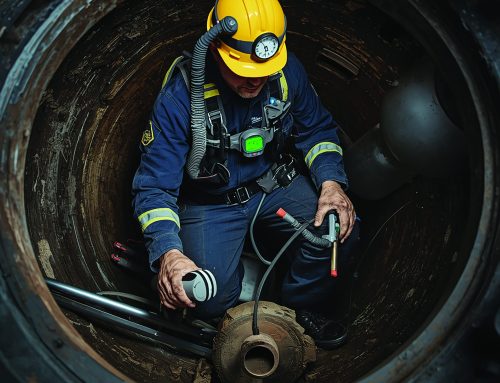
Health and safety in plumbing is not a checklist; it’s a mindset. Supplied by IOPSA
Safety is not just about wearing protective gear or following regulations; it’s about creating an environment where communication flows freely, time is managed effectively and quality standards are upheld. These three pillars – communication, time management and quality management – are the foundation of a safe and professional plumbing industry.
Overview of the 2019 Ergonomics Regulations
Good communication is the first step toward preventing accidents and misunderstandings. In a plumbing workspace, where tasks often involve hazardous materials, confined spaces and complex systems, clarity can mean the difference between a job well done and a serious injury.
South African plumbers work in diverse environments, from bustling construction sites to private homes, where language barriers and noise can complicate instructions. This is why active listening and clear articulation are essential. Every team member must understand what needs to be done, how it should be done and what risks are involved.
Open dialogue is equally important. Workers should feel comfortable reporting hazards or asking questions without fear of judgment. A culture of openness builds trust and ensures that safety concerns are addressed before they escalate.
Communication is not limited to words; visual cues and body language play a vital role, especially in noisy settings where verbal instructions may be missed. A simple hand-signal or nod can reinforce understanding and keep everyone aligned.
Time management: Planning for safety
Time pressure is one of the biggest threats to safety in plumbing. When deadlines loom, there is a temptation to cut corners, skip a safety check, ignore a warning sign or rush through a task. But in South Africa, where plumbing standards are governed by strict regulations, these shortcuts can lead to costly mistakes and dangerous outcomes.
Effective time management begins with planning. Before arriving on site, plumbers should review job orders, assess potential hazards and ensure all necessary tools and protective equipment are ready.
Scheduling breaks is another critical aspect. Fatigue is a silent risk factor that reduces concentration and increases the likelihood of accidents. Structured rest periods help maintain alertness and performance throughout the day.
Prioritising tasks is equally important. Safety checks should never be treated as optional, they are the foundation of every job. By allocating time for inspections and preparation, plumbers can work confidently, knowing that risks have been minimised.
Quality management: Doing it right the first time
Quality and safety are inseparable. A poorly executed job not only compromises functionality but also creates hazards for both workers and clients. In South Africa, plumbing codes and standards exist for a reason – they protect lives and property. Adhering to these standards is non-negotiable.
Quality management starts with following established procedures and using approved materials. Regular inspections of tools and equipment ensure that everything is in working order and safe to use. Continuous training is another cornerstone of quality. The plumbing industry is constantly evolving, with new technologies, materials and techniques emerging. Staying informed through workshops and certifications keeps plumbers competent and confident in their work. When quality is prioritised, rework is minimised and exposure to risk is reduced. Doing it right the first time is not just a slogan, it’s a safety strategy.
Creating a culture of care
Health and safety in plumbing is not a checklist; it’s a mindset. It requires commitment from every individual and support from every employer. Communication, time management and quality control are not isolated practices, they work together to create a safe, efficient and professional environment. When plumbers communicate clearly, plan effectively and uphold quality standards, they protect themselves, their colleagues and their clients. This culture of care elevates the entire industry, ensuring that plumbing remains a respected and trusted profession in South Africa.
Conclusion
Safety is everyone’s responsibility. It begins with a conversation, continues with careful planning and ends with work that meets the highest standards of quality. For South African plumbers, embracing these principles is not just about compliance, it’s about pride in their craft and care for their community. By focusing on communication, time management and quality management, we can build workspaces that are not only productive but also safe and sustainable for generations to come.