Compiled by Megan O’Connor, with input from Machel van Niekerk, Kalahari Wildlife project
An inspirational animal handler, a centre to protect injured and endangered animals, and a plumbing industry that stopped at nothing to help make this vision a reality all combined to create and support this project.
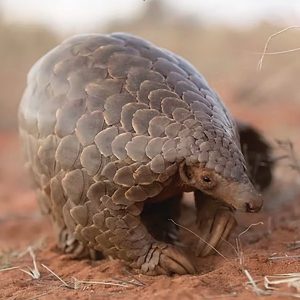
Pangolins are among the most endangered species in the world. www.kalahariwildlife.com
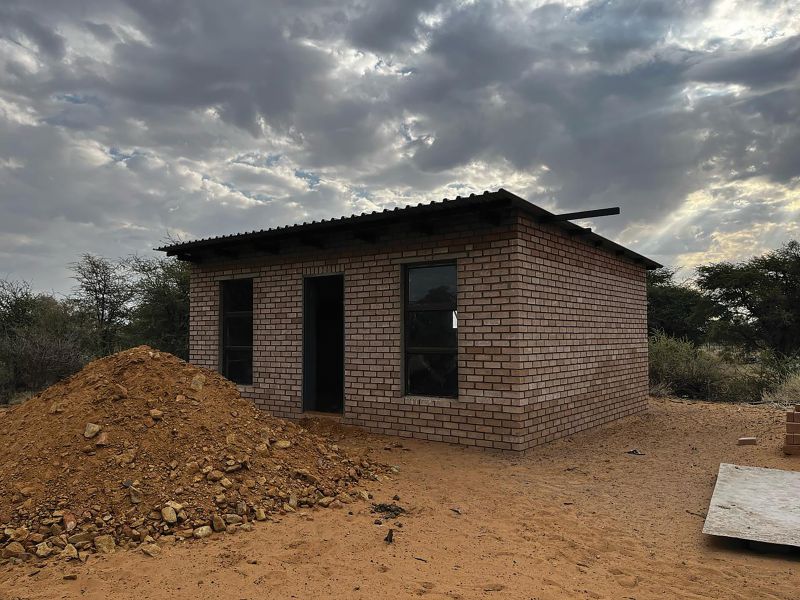
The Kalahari Wildlife Project started the construction of their student accommodation in November 2025 and is a true testament to the impact that the plumbing industry can make.
Who started the project?
Machel van Niekerk started the facility. The idea for the Kalahari Wildlife Project came about because so many people kept finding animals that needed care, but they didn’t know what to do with them. “I was at home, and on the farm I felt I had the space to help them.
I am a qualified veterinary nurse, and I wanted to help the animals that needed it during my free time. I also wanted to give back to the Northern Cape in some way, and I felt the need to get involved and that it was the right thing to do.”
All about the Kalahari Wildlife Project
The Kalahari Wildlife Project is a rehabilitation centre for injured and endangered animals registered by Nature Conservation, and which has permits to handle and feed the animals.
The facility is not bound by a set size – as animals come into the centre, the grounds of the facility are expanded as needed depending on the size and quantity of animals they are currently caring for. Similarly, the project avoids making enclosures that could harm the animals in any way, and as an animal grows, the centre increases the size of its environment.
The centre does not have any restrictions on the types of animals that they take in. Basically, any animal that you can find in the Northern Cape is accepted into the facility – even if they have come from another province and are found in the Northern Cape. Their biggest concern about what animals they take into their care is simply whether they can ship them.
While at the centre, the carers ensure that the health of the animals is upkept and when the animal is deemed fit, they are released into the wild. Similarly, animals from other provinces are sent back to the province they came from when they are deemed healthy.
Did you know?
|
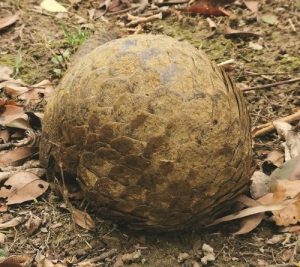 When threatened, Pangolins roll into a ball. Zoey Sung | Pexels |
Police and individuals who find injured animals can bring them to the facility, the location of which is kept confidential. There is another reason for the confidentiality of the location – the Kalahari Wildlife Project protects one of the most poached and trafficked animals in the world: Pangolins.
What is a pangolin?
Pangolins are one of the most endangered and trafficked species in the world – being needlessly killed and poached for their perceived value. Some people believe that the scales of a pangolin have the same value as rhino horns (being made of keratin) for Eastern medicine. However, in reality, their scales do not have any medical benefits whatsoever. They can also be poached to be eaten as their meat is considered a delicacy in some parts of Asia, however, they have very little meat on their bones and there really is nothing special about their meat. So, there is actually no need at all to kill these animals. Van Niekerk reiterates this vital point: “People think they are getting value in them, even though there is literally no value in them.”
Building the required facilities
The Kalahari Wildlife Project needed to build facilities where students and volunteers could live while looking after the animals. This is where the industry stepped in – through donations. Multiple companies were asked to donate whatever they could for the plumbing of the facility, and everyone involved donated more than what was asked for, to bring the vision of the centre to a reality.
The challenge of the projectStarting the building process has been in no way an easy task. Getting the plumbing materials and accessories to the facility was made difficult by the challenging infrastructure of the area. Dirt roads, mud after rainfall and potholes made the delivery extremely difficult. Van Niekerk recalls that most of the time, getting everything to site seemed impossible, “but somehow we always made a plan and got it right – but it wasn’t easy”. |
Do you want to donate to the facility?Machel van Niekerk | +27 (0) 73 167 9119 Machel van Niekerk, manager, Kalahari Wildlife Project. Bank details: Name: M J van Niekerk Bank: First National Bank Account number: 63035989574 Branch code: 230604 Account type: Cheque Alternatively, you can visit www.kalahariwildlife.com/donate or www.pangolin.africa for larger donations. |
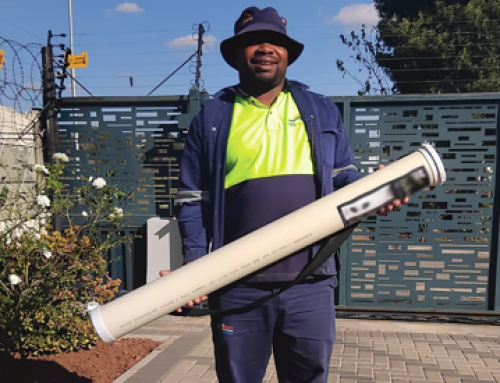
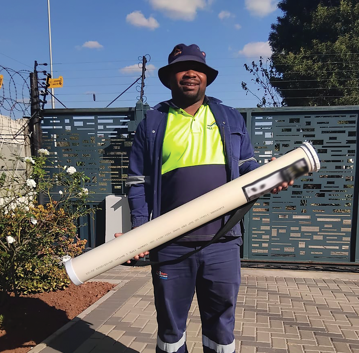
 Machel van Niekerk, manager, Kalahari Wildlife Project. Supplied by Machel van Niekerk |


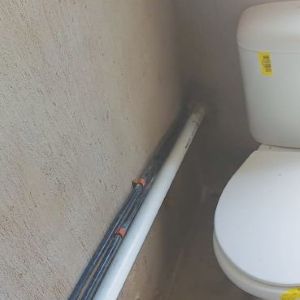
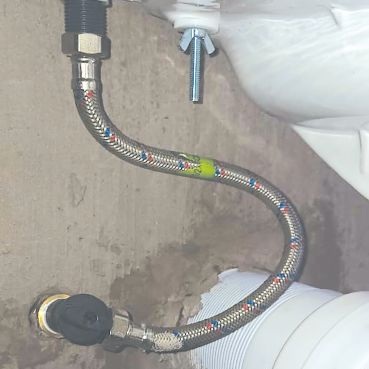

1-5: The donated products installed in the completed bathrooms. Supplied by Machel van Niekerk
The donors
We asked the donors what donations they made to the centre and why they felt that this was important.
Dutton Plastics
Dutton Plastics donated plumbing spares, including wastage products, toilet seats and flushing components. The Northern Cape is a water scarce region and water saving is critical. Dutton supplied their patented water saving outlet valve, reducing toilet water consumption by up to 60%.
Charlene Joubert from Dutton – heavily involved in the project and arranging the donations – says “Conservation and pangolins in particular, have been a passion of myself and my family for as long as I can remember. Being part of a company that supported this dream is great. This is a project very close to my heart, and watching the industry selflessly give to such a good cause has been nothing short of amazing – this is an industry with such big hearts. Let us continue to raise awareness for pangolins and for the centre.”
Standard Hidraulica (STH)
STH donated PEX pipe for external water lines from the borehole to the storage tanks, America Tech Polymer Angle Valves, multilayer pipe along with cutters and reaming tools, as well as STH compression fittings.
Coenie from STH states, “We are grateful for the opportunity to contribute to this project. Given the site’s remote location deep in the Kalahari, product reliability and availability were key considerations. Our product selection emphasised durability under harsh conditions and ease of maintenance. Should any future modifications be required, compatible fittings can be sourced from nearby towns without incurring high courier costs from larger centres.”
Marley Pipe Systems
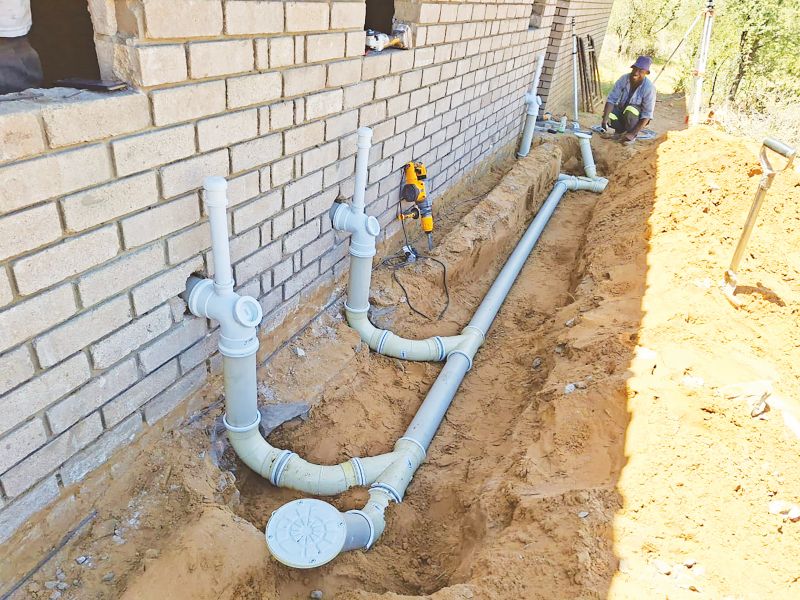
Marley Pipe Systems donated soil and vent, underground and waste products to the facility.
Vanessa from Marley Pipe Systems says, “At Marley, we love collaborating to make a difference. When the centre needed high- quality plumbing products to complete a new building’s plumbing system, they turned to us. We were thrilled to supply all the underground, soil and vent, and waste products required.”
-

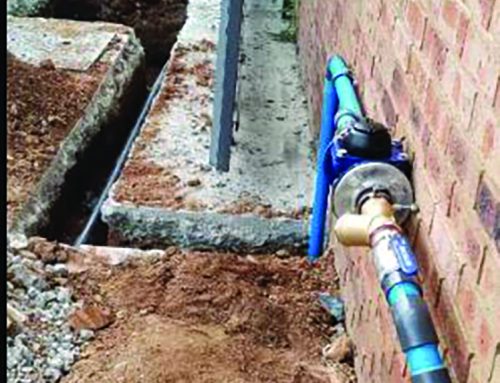
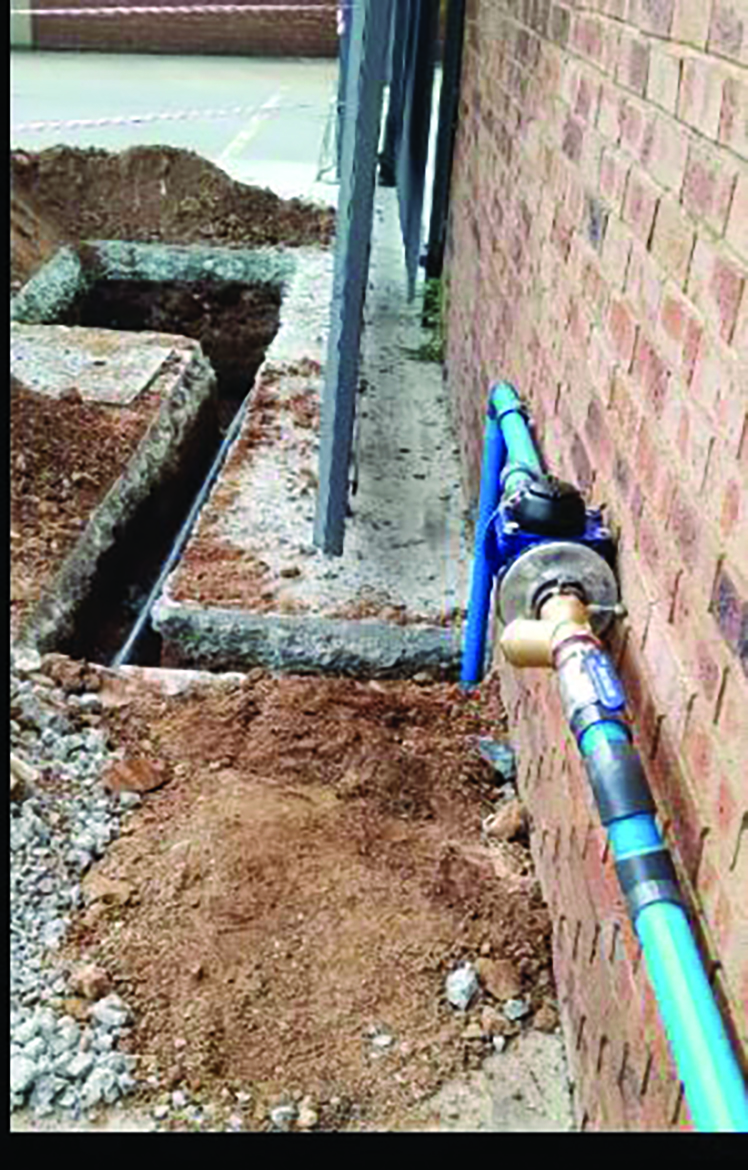
- Laying the pipework.
-
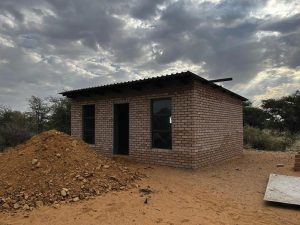
- Part of the student kitchen at the start of construction. Supplied by Machel van Niekerk
BluTide / Vortex
Blutide/Vortex supplied taps and shower heads to the facility. Lauren from Blutide says, “In support of Pangolin Africa’s mission to safeguard the endangered pangolin, Blutide is proud to stand behind efforts to protect a species in urgent need of conservation. As a brand rooted in sustainability, our values align closely with the goal of ensuring the long-term well-being, rehabilitation and successful release of these remarkable animals back into their natural habitat. We are deeply committed to preserving South Africa’s natural heritage and believe it is essential to contribute to initiatives that promote environmental responsibility, community involvement and a shared sense of local pride.”
Heunis Steel
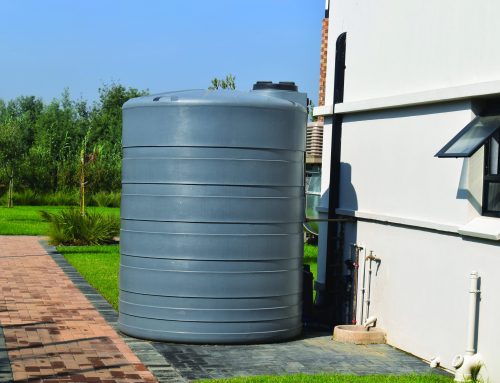
Heunis Steel donated the required steel products for roofing, as well as a 2 500ℓ water tank.
Martin from Heunis Steel says, “Charlene took this project under her wing and had so much passion and dedication to this project – a huge well done to her! We sponsored this initiative because we believe it is absolutely important to the future existence of the specific species they are protecting.”

Supplied by Machel van Niekerk
Arkam Plumbing and Trading
Arkam Plumbing and Trading donated piping and a geyser. Michele from Arkam Plumbing and Trading says, “I am a keen overlander and the bush/ wild is my passion. From my point of view, our wildlife and flora are unique and it is what sets South Africa apart from the rest. From encroachment on their territory to greed, we are breaking down our heritage, leaving nothing for future generations. It is important for companies to not only assist where they can with donations, but to also drive awareness. Hopefully in this way we can keep our story alive.”
Ceramic Industries
Ceramic Industries donated ceramicware – toilets and basins – to the facility.
References
- factanimal.com/pangolins
- Machel van Niekerk
- Standard Hidraulica
- Marley Pipe Systems
- Heunis Steel
- Dutton Plastics
- Arkam Plumbing and Trading
- Blutide/Vortex