By Chris Coetzee, OHSS Consultant
South Africa starts getting cold in the month of June, and the winter season lasts through to August. Depending on where you perform your plumbing services however, the climate varies by the region you are located in. Be sure to prepare yourself and your team for the weather you will experience.
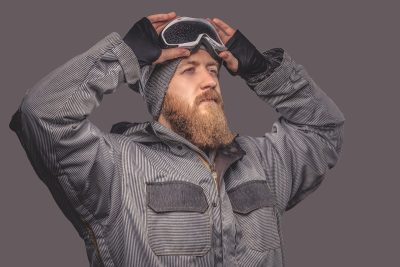
Make sure you wear the right clothes to fit the weather. Supplied by Freepik
Generally, South Africa has great weather and no matter where you are located, the weather conditions can be pleasant for most of the time. However, when it gets hot, it’s infernal, and when it gets cold, it can be seriously chilly. The coldest place in South Africa is the Northern Cape town of Sutherland, in the western Roggeveld Mountains. Here midwinter temperatures can drop to -15°C.
If you hail from the Western Cape, you get all your rain in winter. The winter weather in Cape Town is always cold, wet and unpleasantly windy.
For those of you who stay in the hot, humid KwaZulu-Natal coast, or the lowveld of Mpumalanga and Limpopo provinces, these areas offer lovely winter weather with still, sunny and warm days.
In the high interior plateau areas, the winter days are dry and sunny, with clear skies and crisp air. The nights are chilly. Temperatures only drop to freezing when a cold front sweeps in.
The above information on our South African weather patterns highlights the fact that we are able, to a degree, to take into consideration the weather for the season and change our manner of work, the process of tasks and our way of dealing with certain tasks that can be more dangerous during these times.
Working in a cold environment can involve several adverse effects on human performance and health. Workers suffering from exposure to the cold can experience thermal discomfort, increased strain, decreased performance and cold-related diseases and injuries. Cold can modify or aggravate the risk of common hazards and increase the risk of cold-associated injuries.
When it comes to ensuring the health and safety of ourselves and our teams, we want to use the ‘hierarchy of controls’ in dealing with hazards and risks that we face. In simple terms, we want to start with what will help us the most in dealing with the dangers before resorting to documents and PPE. If possible, we want to eliminate the potential for hazardous weather to impact our staff, but where this is not practical, serious consideration to the amount of time spent in these situations must be addressed, along with other ‘risk-based thinking’ strategies.
What could plumbers face during these hazardous seasons?
Cold temperatures have hazardous effects on humans and their ability to work well. When the body is exposed to cold temperatures, the negative effects can include:
- Dehydration
- Numbness
- Shivering
- Frostbite
- Hypothermia
- Immersion foot/trench foot
Hypothermia
Employees who are wearing inappropriate clothing are at higher risk of hypothermia, as are employees who are wet, tired, dehydrated or suffering from malnutrition.
The risk of hypothermia is greater if alcohol is consumed, because alcohol makes blood vessels dilate, providing a larger surface area through which heat can be lost. At this point, the body only maintains heat around its vital organs — brain, heart and lungs — and shuts down circulation to the arms and legs. The heart rate becomes slow, intermittent and weak, and the blood vessels widen. This makes a person feel hot and want to remove all his clothes before he finally slips into unconsciousness. Ultimately, the heart stops.
Wear proper winter clothing that insulates from the cold and lets perspiration evaporate while protecting from the wind, rain and snow.
Protect feet and toes. Wear two layers of socks— cotton underneath a pair of wool socks is best — with a pair of well-fitted boots that come above the ankle. Hand protection is vital. Mittens are warmer than gloves but can limit dexterity. Wear a pair of gloves under a pair of mittens for warmth and remove mittens to use gloved fingers as needed.
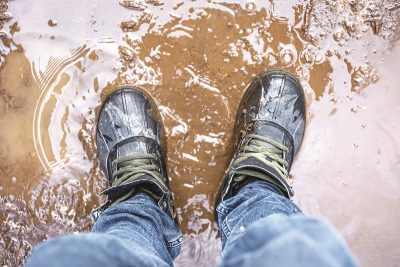
Beware the dreaded trench foot and keep feet and footwear dry.
Immersion foot/trench foot
Trench foot is a foot injury that occurs when the feet are wet and cold for a prolonged period.
It’s also known as immersion foot. Trench foot is caused when wet feet aren’t dried off properly. It’s most common in temperatures of 1–4°C. However, trench foot can even occur in desert climates. The issue is how wet your feet get, and not necessarily how cold they are (unlike frostbite).
Standing in wet socks and shoes for a long period of time tends to make it worse compared to other activities, such as swimming with water shoes. With prolonged cold and wetness, your feet can lose circulation and nerve function. They are deprived of the oxygen and nutrients that your blood normally provides. Sometimes the loss of nerve function can bring about other symptoms, such as pain, which is less noticeable.
With trench foot, you’ll notice some visible changes to your feet, such as:
- Blisters
- Blotchy skin
- Redness
- Skin tissue that dies and falls off
Additionally, trench foot can cause the following sensations in the feet: coldness, heaviness, numbness, pain when exposed to heat, persistent itching, prickliness and tingling.
Over time, trench foot can lead to complications if left untreated. These include:
- Amputations
- Severe blisters
- An inability to walk on affected foot
- Gangrene, or tissue loss
- Permanent nerve damage
- Ulcers
You may also be more prone to complications if you have any wounds on your feet. While recovering from trench foot, you should be on the lookout for signs of infection, such as swelling or oozing of any wounds.
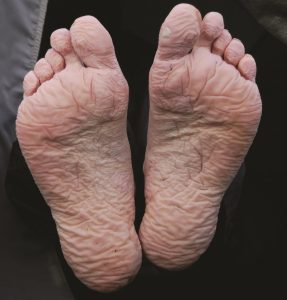
Stages of trench foot
Stage 1: This is also called the injury stage. In this stage, there is restriction of blood flow, and the tissues become numb and cold.
There is also discolouration of the affected limb with it turning white or red. The patient does not have any pain in this stage of the condition.
Stage 2: This is the post-injury status. This occurs when the limb is warmed after exposure to severe cold and wet conditions. The colour of the affected foot changes from red to white, but it will be cold and numb. Some people also have swelling.
Stage 3: This stage lasts for at least three months. In this stage, the affected foot becomes warm and red and there is dryness of
the skin. The patient will experience some numbness and tingling, and in some cases there will also be blisters.
Stage 4: This is a permanent stage in trench foot as it remains for the rest of the life of the individual. The patient will have increased cold sensitivity, pins and needles sensation, and some amount of pain in the affected foot.
What can you do to protect yourself?
- Clean your feet and care for them.
- Wear clean socks and keep an extra pair with you if you are working in wet conditions
- Ensure your shoes are clean and dry
- If you can, alternate pairs of shoes throughout the week. This will also help with other foot related illnesses
- Never wear dirty socks or wet shoes for prolonged periods
- Look after your feet, they carry you everywhere!
Register for free to gain access the digital library for Plumbing Africa publications