By Chris Coetzee, OHSS consultant
In September of each year, FEM hosts its Safetember initiative to educate the construction industry on the most common accidents that lead to fatalities and ways to make the workplace safe.

Chris Coetzee OHSS consultant. Supplied by Chris Coetzee
Safetember was initiated to draw attention to the high number of construction-related accidents and educate both employers and employees in their prevention.
Let us now look at the construction industry for those plumbers who are working in the domestic and residential side of plumbing.
Health and safety in SA construction
The South African construction industry is booming, but beneath the scaffolding and cement lies a sobering truth: it remains one of the most dangerous sectors in the country.
Plumbers’ work often places them in high-risk environments like installing piping in multi-storey buildings or working in trenches.
Falls from height: Many plumbing installations require work on scaffolding or ladders. A recent tragedy in Durban saw a scaffolding collapse, kill one worker and injure four others. Such incidents highlight the urgent need for proper scaffolding inspections and fall protection systems.
Trench collapses: Plumbing often involves excavation. Inadequately supported trenches can collapse, burying workers. These incidents are preventable with proper shoring and soil analysis.
Exposure to hazardous substances: Plumbers may encounter asbestos, lead or sewage, posing long-term health risks without proper personal protective equipment (PPE).
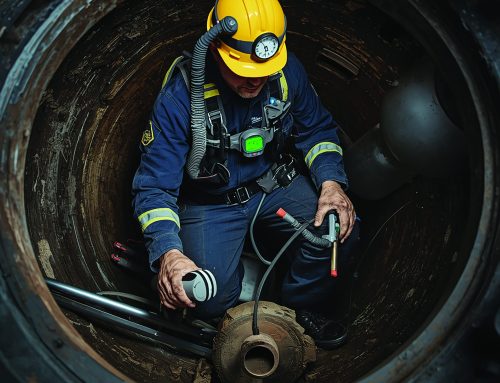
Confined space risks: Working in crawl spaces or service ducts can lead to suffocation, toxic exposure or entrapment if not properly ventilated and monitored.
While general contractors bear much of the responsibility for site-wide safety, plumbing subcontractors must also take ownership. Here’s how:
- Conduct thorough risk assessments before starting any job: Identify hazards specific to plumbing tasks, such as confined spaces, water pressure systems, or hot work
- Train your team: Ensure all workers are familiar with the Occupational Health and Safety Act and know how to use PPE, detect gas leaks and respond to emergencies.
- Insist on safe site conditions: If scaffolding or trenches are unsafe, raise the alarm. Refuse to work until conditions are rectified. Your life may depend on it.
- Document everything: Keep records of safety briefings, inspections and incidents. This not only protects your team but also strengthens your legal position in case of disputes.
- Collaborate with site safety officers: Plumbing teams should be part of the broader safety ecosystem, attending toolbox talks and contributing to site-wide hazard identification
The Department of Employment and Labour; and industry bodies like the Construction Industry Development Board (CIDB) and Master Builders Association (MBA); are calling for stricter enforcement of safety standards. However, enforcement alone is not enough. A cultural shift is needed—one that places worker welfare above profit margins.
The use of undocumented labour, lack of proper training and corner-cutting by contractors are systemic issues. Industry leaders must invest in safety audits, training and technology to prevent future tragedies.
By staying informed, vigilant and proactive, plumbing professionals can protect themselves and their teams. The industry must move beyond compliance and embrace a culture of care, where every worker returns home safely.
Health and safety in residential plumbing
In South Africa, residential plumbing is a critical trade that directly impacts public health and safety. From unqualified practitioners to hazardous working conditions, the risks are often underestimated.
Residential plumbing work often takes place in confined, unpredictable environments such as private homes, apartment buildings and small commercial properties. These settings present unique risks:
- Exposure to hazardous substances: Plumbers frequently encounter biological waste, mould, asbestos and chemicals like drain cleaners and adhesives. Without proper PPE, these can cause respiratory issues, skin burns or long-term health effects.
- Electric shock: Many plumbing tasks involve working near electrical systems, especially when dealing with geysers, underfloor heating or booster pumps. Poor wiring or lack of coordination with electricians can lead to serious injury.
- Slips, trips and falls: Wet floors, cluttered workspaces and uneven surfaces are common in residential settings. These seemingly minor hazards are among the leading causes of injury in the trade.
- Musculoskeletal injuries: Repetitive tasks, awkward postures and heavy lifting (like manoeuvring geysers or cast-iron tubs) contribute to chronic back, shoulder and knee problems.
- Confined space risks: Working in roof cavities, crawl spaces or under sinks can lead to entrapment, poor ventilation or exposure to harmful gases.
Using unqualified plumbers not only compromises workmanship but also poses serious health and safety risks to homeowners and their neighbours.
Improper installations can lead to:
- Cross-contamination between potable and wastewater systems
- Gas leaks from incorrectly installed gas geysers
- Structural damage from water leaks or burst pipes
- Fire hazards due to poor integration with electrical systems
- These risks are not just theoretical, they have real consequences, including property damage, injury and even fatalities
IOPSA-accredited plumbers are setting a new benchmark in occupational health and safety (OHS) by going beyond basic compliance. Their approach includes:
- Detailed site safety files: These include risk assessments, method statements and emergency procedures tailored to each job
- Ongoing training: Accredited plumbers receive regular updates on OHS legislation, new technologies and best practices
- Commitment to sustainability: Health and safety is integrated for broader business strategies, improving employee morale, customer satisfaction, and long-term profitability
Residential plumbing may seem routine and construction safety may seem overboard, but both areas carry significant risks if not handled professionally. For plumbers, this means staying up to date with safety protocols, using the right equipment, and refusing to compromise on standards.
Register for free to gain access the digital library for Plumbing Africa publications