By Patrick Gordon, technical manager, Splashworks
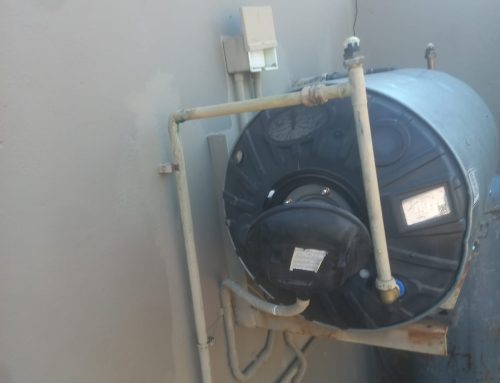
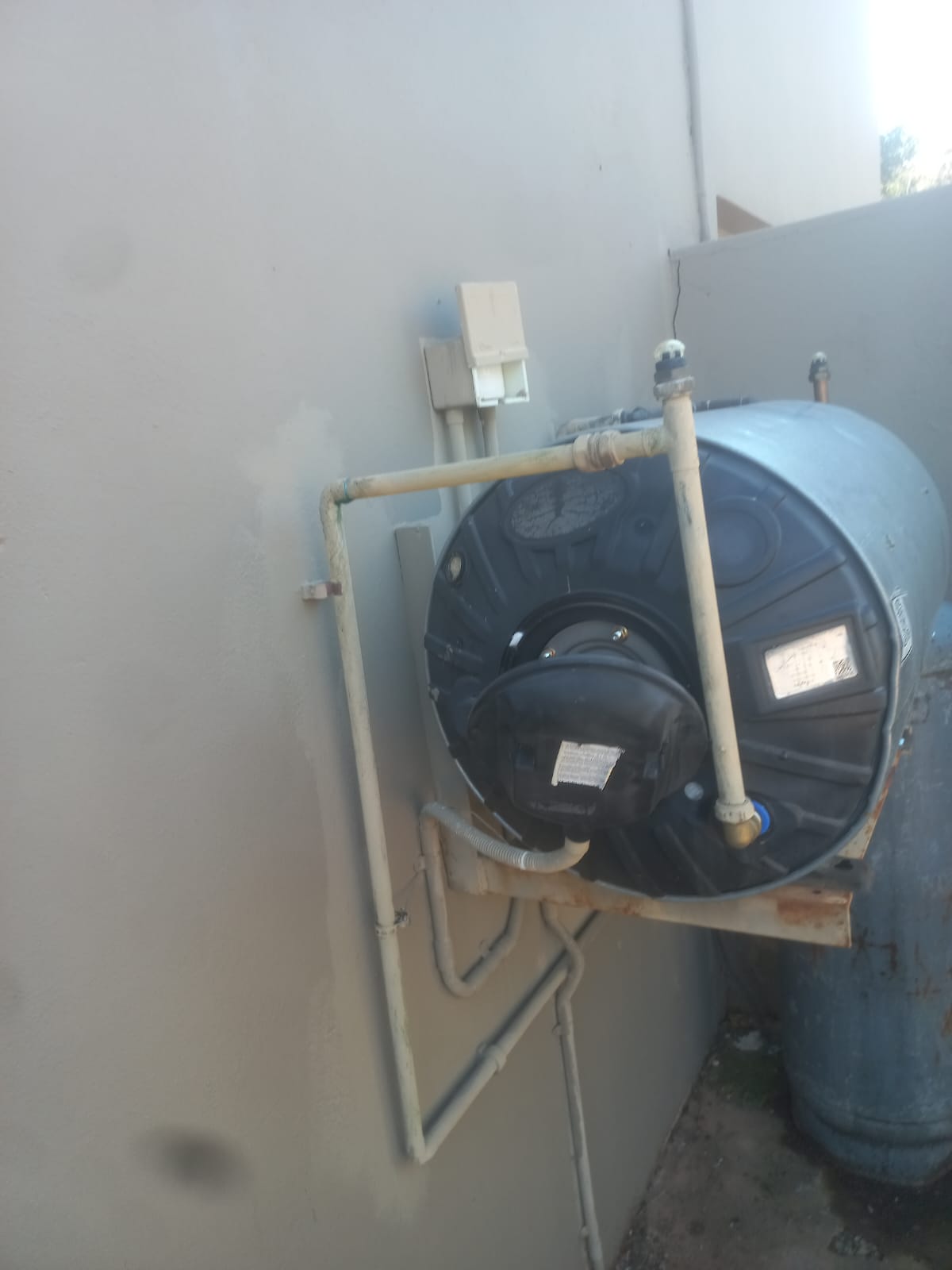
To answer this question, we need to understand the function of the geyser valve.
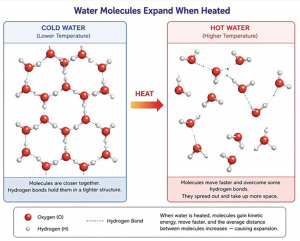
Image by Google Free Image
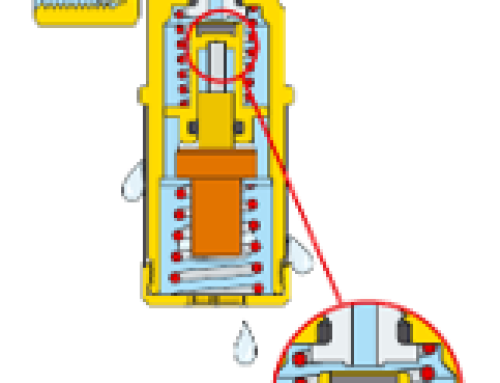
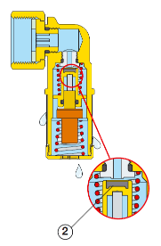
The correct name for the geyser valve is Pressure Control Valve.
This valve has a dual function:
- It reduces the pressure in the reticulation downstream of the valve.
- It protects the system from being over pressurised.
The valve is set at a pressure between 70–85% of the rating of the valve. So, a 400kPa valve will deliver a downstream pressure of between 280–340kPa.
During day-to-day use, the hot water cylinder (geyser) will switch on to top up the heat of the water in the cylinder. When the water in the cylinder is heating, the volume of the water expands.
When the molecules expand it causes an increase in pressure. When the system pressure reaches 95–100% of the rating of the valve, the expansion port of the valve will discharge to prevent the system from being over pressurised.
So how much water can I expect the valve to ‘leak’? There is no definitive answer as it all depends on the variables that are at work on the system.
Here is a formula that can be used to calculate the expected volume of water that should be discharged due to expansion:
(H-C) X ℓ X 0.0004
If you determine the difference in temperature in the water from when it enters the system to what it is heated to X how much water is heated (not the size of the geyser but the actual volume of water that is heated) X expansion co-efficient of water.
E.g. 65-10 X 175ℓ X 0.0004
=55 X 175 X 0.0004
=3.85ℓ
In winter the water that enters the system is much colder than in summer, and we tend to use more hot water in the winter, thus the valve will drip more in the winter than in the summer. A quick test to see if the water that is dripping from your valve is expansion or not is to switch off the power to the geyser. If it stops dripping it is definitely expansion.
If you have tested your valve and it is expansion discharge, but it seems to be excessive, you may need to get a qualified person in to test the thermostat in the geyser.