By Chris Coetzee, OHSS Consulting
On 6 December 2019, the South African government implemented the Ergonomics Regulations under the Occupational Health and Safety Act (OHSA). This article provides an in-depth exploration of the 2019 Ergonomics Regulations and their practical implications for plumbers operating in South Africa.
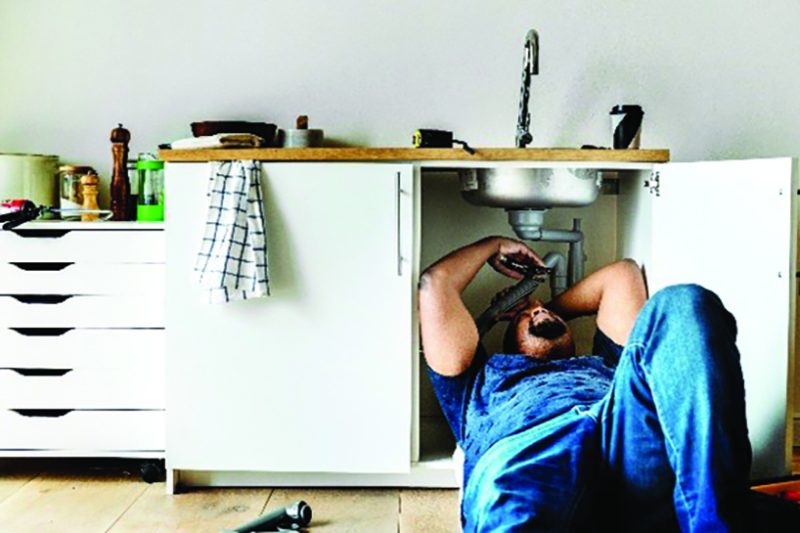
Plumbers routinely engage in activities that can strain the body. Freepik.com
These regulations were introduced to address the growing concern over ergonomic risks in the workplace, risks that arise from the interaction between workers and their tasks, tools and environments.
For professionals in physically demanding trades such as plumbing, these regulations are particularly significant. Plumbers routinely engage in activities that can strain the body, including lifting heavy equipment, working in confined spaces and performing repetitive tasks.
Overview of the 2019 Ergonomics Regulations
The Ergonomics Regulations’ primary objective is to ensure that employers proactively identify, assess and manage ergonomic risks in the workplace. These regulations mandate that all employers, regardless of industry or company size, conduct ergonomic risk assessments before work begins. They also require that employees receive training on ergonomic hazards and mitigation strategies.
Furthermore, workers exposed to significant ergonomic risks must undergo medical surveillance within 30 days of employment and at regular intervals thereafter. Employers are also obligated to maintain records of these assessments and medical evaluations for a minimum of 40 years. To ensure a systematic approach, the regulations call for the integration of a structured ergonomics programme into existing occupational health and safety systems.
Why ergonomics matter in plumbing
Plumbing is inherently a physically intensive profession. Plumbers frequently find themselves working in tight, awkward spaces such as beneath sinks or inside crawl spaces. They often perform repetitive tasks like tightening fittings and cutting pipes, and they regularly
lift and carry heavy tools and equipment. These activities expose plumbers to a range of ergonomic risks, including lower back pain, shoulder and neck strain, knee injuries and repetitive strain injuries.
Without appropriate ergonomic controls, these risks can lead to chronic health conditions, reduced productivity and increased absenteeism. The nature of plumbing work makes it essential for employers and workers alike to understand and address these risks in accordance with the regulations.
Applying the regulations to plumbing work
To comply with the Ergonomics Regulations, plumbing businesses must undertake task-specific ergonomic risk assessments. This involves identifying tasks that involve manual handling, awkward postures or repetitive movements, and evaluating the duration, frequency and intensity of exposure to these risks. For instance, installing a geyser may require overhead work and lifting, which should be assessed for potential shoulder and back strain.
Training is another critical component of compliance. Plumbers must be educated on proper lifting techniques, the use of ergonomic tools, the importance of stretching and taking rest breaks, and how to recognise early signs of musculoskeletal disorders. This training should be ongoing and include refresher sessions to ensure that workers remain informed and vigilant.
Medical surveillance is required for plumbers who are exposed to high ergonomic risks. This includes initial medical evaluations within 30 days of employment and follow-up assessments every two years. These evaluations help in the early detection of conditions such as tendonitis, carpal tunnel syndrome and chronic back pain, enabling timely intervention and treatment.
Workplace design and equipment also play a crucial role in mitigating ergonomic risks. Employers should consider investing in adjustable work platforms to reduce bending, ergonomic hand tools to minimise grip strain, portable lighting to improve visibility in dark spaces, and tool belts or carts to reduce the need for carrying heavy loads. Such investments not only enhance worker safety but also improve efficiency and job satisfaction.
Compliance strategies for plumbing businesses
To effectively implement the Ergonomics Regulations, plumbing businesses should develop a comprehensive ergonomics programme. This should include the appointment of a competent person to oversee its implementation, regular assessments and updates and integration with existing occupational health and safety policies.
Engaging with industry bodies such as the Institute of Plumbing South Africa (IOPSA) can provide valuable guidance and training resources
Additionally, external consultants like Apex Environmental offer tailored ergonomic risk assessments that help identify biomechanical risks and recommend practical solutions.
Challenges and opportunities
While the regulations offer numerous benefits, plumbing businesses may face certain challenges in achieving compliance. The cost of conducting assessments and upgrading equipment can be a burden, particularly for small enterprises. There may also be gaps in awareness among plumbers regarding the long-term risks associated with poor ergonomics, and limited access to training resources, especially in rural areas.
However, these challenges are accompanied by significant opportunities. Improved worker health leads to reduced absenteeism and compensation claims. Ergonomically sound practices enhance productivity and job satisfaction. Moreover, compliance with the regulations can serve as a competitive advantage, demonstrating a commitment to safety and professionalism that appeals to clients and stakeholders.
Conclusion
The 2019 Ergonomics Regulations represent an advancement in workplace safety in South Africa. For plumbers, these regulations are not merely legal requirements, they are essential tools for safeguarding health, enhancing performance and building sustainable businesses. By conducting thorough ergonomic risk assessments, investing in training and equipment and integrating ergonomics into daily operations, plumbing businesses can ensure compliance while fostering a safer and healthier workforce.
By becoming a member of IOPSA, plumbers gain direct access to the latest updates in health and safety legislation. IOPSA works closely with government and industry stakeholders to shape and communicate regulatory changes, ensuring members stay informed and compliant. Through regular training, newsletters and workshops, plumbers are equipped with practical knowledge to implement best practices in occupational health and safety. Membership also provides access to expert guidance and resources, helping plumbers navigate complex legal requirements and maintain high safety standards in their daily operations.